Maintenance chemistry for the Namibian mining belt
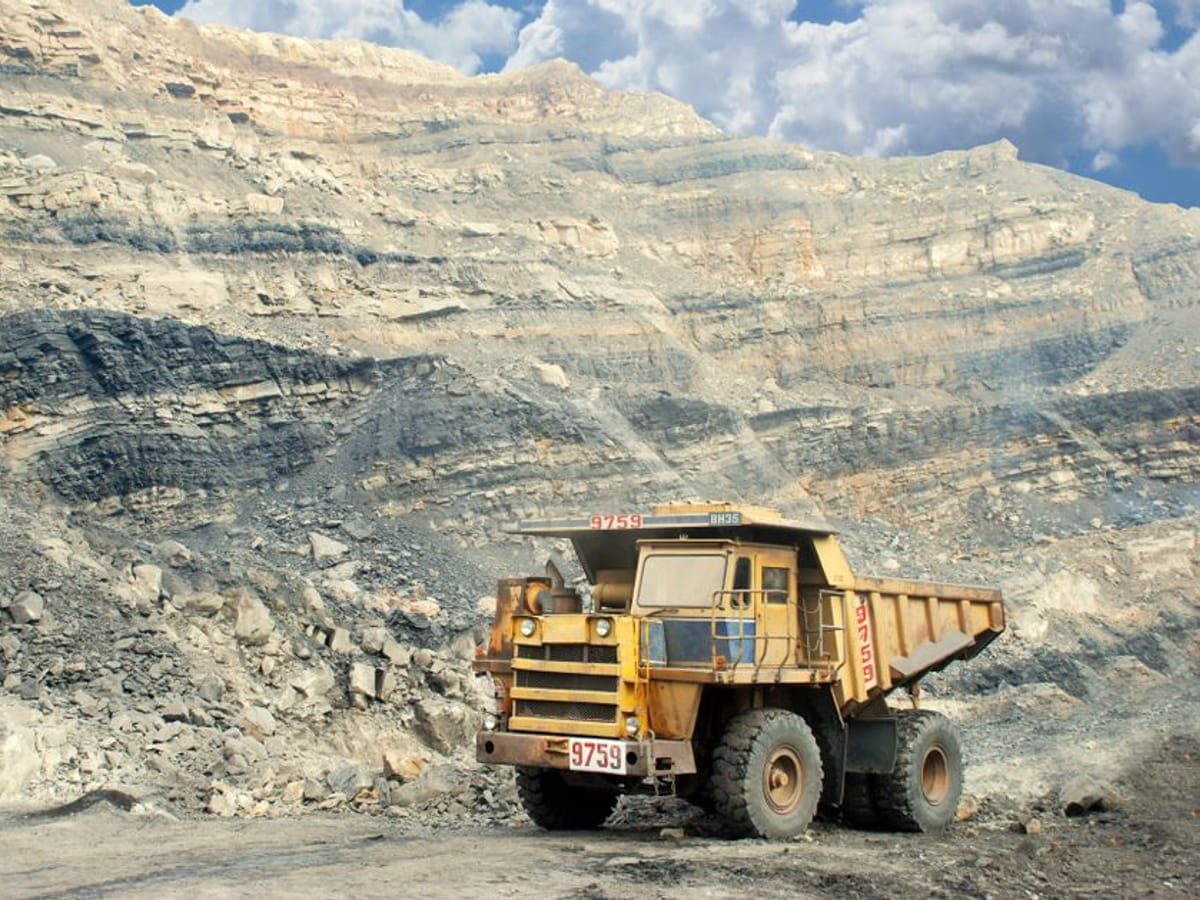
From the uranium operations of the Erongo to the central copper and gold belt and the southern zinc and diamond fields, Namibian mines run maintenance chemistry hard: membrane filters that scale, earthmoving fleets whose closed cooling circuits corrode, workshops full of grease and dust, and camps that are small towns needing full hygiene supply. The mining segmentation sheet is Cernol’s answer, blended in Windhoek up the road.
The problems we solve for this sector
- Scaled membrane filters and process water equipment on hard, saline water
- Corrosion in closed cooling circuits across earthmoving fleets
- Carbonised, painted and greased components needing bath cleaning at volume
- Hydrocarbon spills on hardstands in a zero-discharge environment
- Workforce hand care where solvent-washing habits cause dermatitis
- Remote-camp hygiene: kitchens, ablutions, laundry, water
On the ground in Namibia
- The central mining belt runs on borehole water that scales membranes and heat exchangers — Chloracid 90 and Dicafas are maintenance staples, not emergency buys.
- Zero-discharge environmental conditions make dry absorbents (Peat D) the default spill response over wash-downs.
- Mine procurement increasingly weights local content: a 100% Namibian, ISO 9001:2015 manufacturer scores where importers cannot.
Typical order: The mining segmentation sheet: the Ardrox penetrant aerosols for inspection, Chloracid 90 for cleaning membrane filters, Peat D as the hydrocarbon absorbent, Decarboniser 666 and Magnus 755 as component baths, Magnusol Degreaser, Magnus 92 on workshop floors, MPC Degreaser, Penetone and Ardrojel hand cleaners, Chemkleen at the basins, Solvene 44 and 33 for electrical work, OSE 750 for spills, CCW 5 for closed cooling systems on caterpillars and heavy earthmoving equipment, Phoskleen, Tyreglide, Synapol A and GPL — and the full depot kitchen and consumables set.
What mining buys from us
Category guides written for this sector — the products, the Namibian conditions, and the questions buyers actually ask.
Degreasers & Heavy-Duty Cleaners for Mining
Mine maintenance degreases at a scale nothing else in Namibia matches: haul-truck components in soak baths, workshop floors the size of town blocks, and hydrocarbon rules that forbid the hose. The mining segmentation sheet lists Decarboniser 666, Magnus 755, Magnusol and Peat D — Cernol’s heavy end, blended in Windhoek on the mining belt’s doorstep.
Sector guide →
Acids & Descalers for Mining
On the mining belt, water is process equipment — and hard, saline Namibian water scales it relentlessly. The mining sheet’s first specialist entry is Chloracid 90 “cleaning of membrane filters”: inhibited acid chemistry protecting the most expensive consumable a water-constrained mine owns, with Dicafas powder covering the remote-site descaling behind it.
Sector guide →
Water & Fuel-Tank Treatment for Mining
A Namibian mine is a water system with a pit attached: cooling circuits on every diesel engine, towers on the plant, potable systems for a camp of hundreds. The mining sheet names CCW 5 for the earthmoving fleet’s closed cooling, and Chemicide No 7 guards the diesel that feeds the fleet — Cernol’s treatment chemistry for the driest mining conditions anywhere.
Sector guide →
Solvents for Mining
Mine electrical maintenance runs on solvent discipline: motors, switchgear and control gear cleaned residue-free, re-energised fast, deep underground or far up a dusty hill. The mining sheet lists both Solvene 44 and 33 as “electrical cleaner” — the fast-drying grade first, because on a mine, downtime is the currency.
Sector guide →
Hand & Skin Care for Mining
The mining sheet gives hands more lines than any other category — Penetone, Ardrojel, Chemkleen — because a mine’s workforce is its largest maintained system. Cernol supplies the skin-care sequence that keeps hundreds of pairs of working hands out of the site clinic’s dermatitis file.
Sector guide →
NDT / Inspection Chemicals for Mining
On a mine, a crack found late is a fatality report waiting for names: draglines, crusher frames, lifting gear and weld repairs all live under inspection regimes with legal teeth. The mining sheet lists the Ardrox penetrant range as standing stock — Cernol keeps the belt’s inspection chemistry on a Windhoek shelf, not on a courier’s promise.
Sector guide →
Mining supply: your questions answered
How are membrane filters descaled without damaging them?
With an inhibited acid at controlled strength: Chloracid 90 is the segmentation sheet’s named product for cleaning membrane filters — its corrosion inhibitor lets the acid dissolve the mineral scale while sparing the substrate and housings. Circulate at the specified dilution, monitor, neutralise and flush. The alternative — running membranes to failure and replacing them — costs orders of magnitude more, which is why descaling is scheduled maintenance at every water-constrained operation.
What protects a mixed earthmoving fleet’s cooling systems?
CCW 5, dosed into every closed circuit — the sheet lists it verbatim for “closed cooling systems, caterpillars and other heavy earth moving equipment”. Its corrosion inhibitor films the mixed metals of engine jackets and radiators, and the built-in indicator colours the coolant so a fitter verifies protection visually at service. Fleet-wide, that is a checklist item instead of a lab programme — and a cracked liner seat prevented pays for years of inhibitor.
What does a mine camp order beyond the workshop chemistry?
Everything a small town needs: the kitchen set (Dishwash, Swan Pine Gel, Mrs Clean, Steripine), Antisep 100 and Air Sanitizer, laundry powders (Bioblitz, T2 Blue) with the spotting kit for the change-house laundry, Bowl Cleanse and Deo Blocks for ablutions, Sypo and Clearon for camp water chlorination, and the consumables — dispensers, paper, brooms, gloves, masks. One Windhoek order supplies both the plant and the camp, which is precisely how the segmentation sheet is written.
Can Cernol meet mining procurement and local-content requirements?
Yes — Cernol is 100% Namibian owned and managed, SABS ISO 9001:2015 registered, and manufactures (not just repackages) in Windhoek, which satisfies the local-content scoring most Namibian mining tenders now apply. We supply product data and safety documentation per line item, batch traceability from our own production, and 30-day accounts for approved commercial customers. Several products also carry biodegradability credentials relevant to environmental submissions.
Serving Mining from our Windhoek branch
Cernol Chemicals Windhoek — Factory & Sales Office · Cnr Kallie Roodt & Etienne Rosseau Street, Northern Industrial Area, Windhoek · Tel 061 262 985 · Mon–Fri 08:00–17:00
Other industries we supply
Supplying mining across Namibia
Primary branch: Cernol Chemicals Windhoek — Factory & Sales Office (061 262 985). Consolidated deliveries, SDS documentation and account facilities for the sector.